On November 24, 2026, CISA published three new industrial control system advisories. Two of them describe the same kind of risk: an attacker builds a booby-trapped file, gets someone to open it in engineering software, and may be able to run their own code on that computer. According to CISA’s advisory ICSA-26-328-01, AutomationDirect’s C-More EA9 Programming Software through V6.80 has a heap-based buffer overflow (CVE-2026-127280, CVSS v3.1 7.8) that a crafted project file can trigger. CISA’s republication of Schneider Electric’s advisory describes a use-after-free in EcoStruxure Power Build Rapsody (CVE-2026-119055) that a crafted SSD file can exploit.
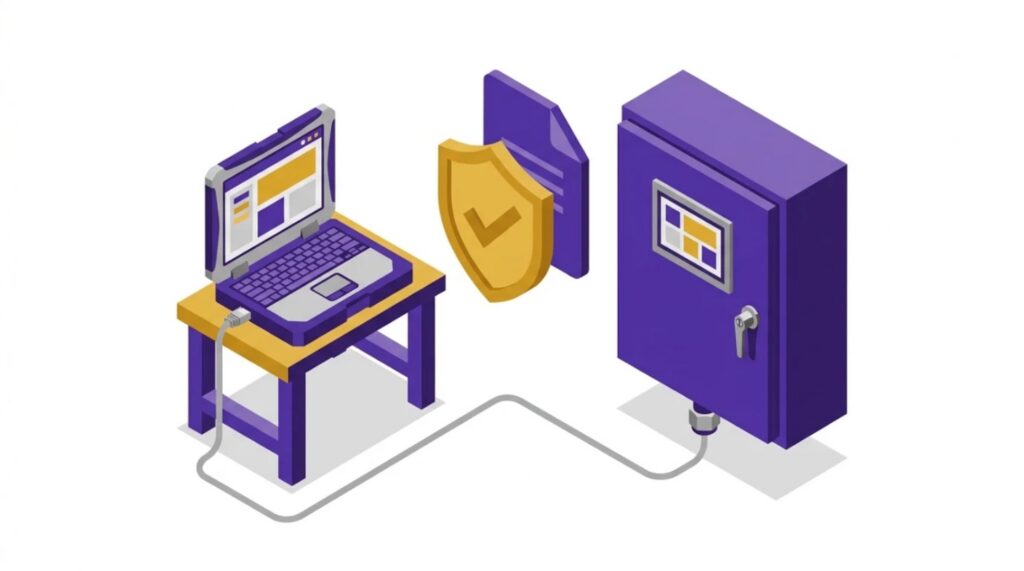
Neither bug is known to be exploited, and both vendors have fixes out. The takeaway isn’t about these two products. It’s that the laptop your technicians plug into the panel is a target, and the files they open on it are a way in.
Why a project file is an attack path
HMI and PLC project files are complicated. They hold screens, tag databases, scripts, alarm tables, and communication settings. Engineering software has to parse all of that, and parsing code is where memory bugs like buffer overflows tend to hide. This applies to every platform we work on: C-More, Studio 5000 and FactoryTalk View, TIA Portal and WinCC, EcoStruxure, GX Works, Sysmac Studio, Ignition, and the rest. Any of them can need a patch for this kind of flaw.
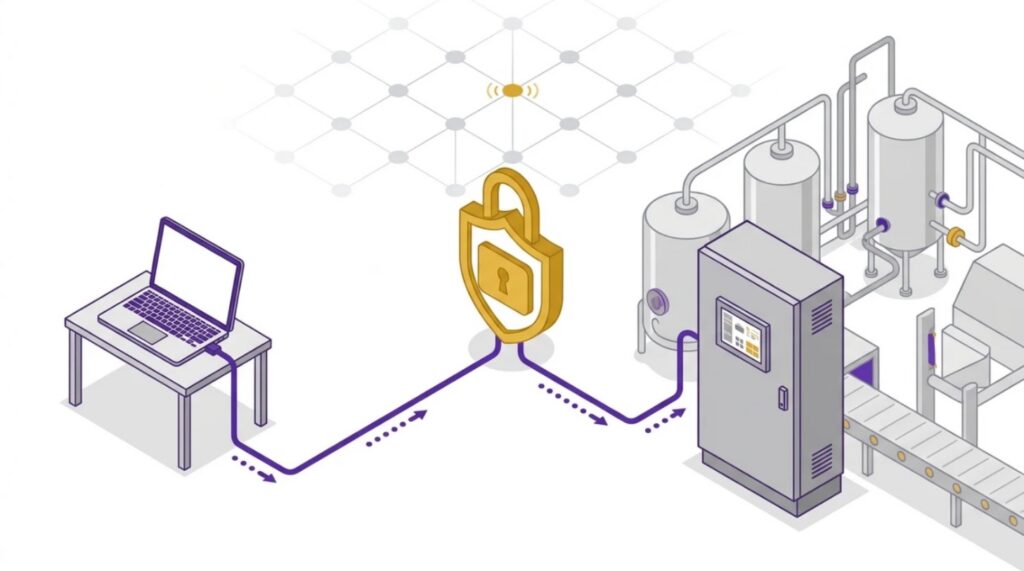
Think about how project files actually move around a plant. An OEM emails an updated HMI program. A contractor leaves one on a USB stick. Someone downloads a “latest version” from a shared drive that half the company can write to. Few people treat these files with the suspicion they’d give an unknown email attachment, yet the engineering workstation that opens them usually has routable access to every PLC and HMI on the floor.
That is why the C-More advisory’s mitigation list reaches well beyond the update itself. CISA recommends isolating engineering workstations from the Internet and corporate IT, sending vendor remote access through a hardened jump host with multi-factor authentication, scanning removable media, keeping offline backups of PLC programs and configurations, and using application allowlisting where it’s supported. CISA notes these are temporary measures and do not replace installing the update.
What to check on Monday
- Find every copy of the software. Count the plant laptops, the maintenance office PC, the supervisor’s desktop, and that old machine in the control room. If C-More EA9 software is V6.80 or earlier, update it to V6.81 from AutomationDirect’s software downloads page. If you use Rapsody for panel and switchboard design, apply Schneider’s fixed regional builds listed in the advisory.
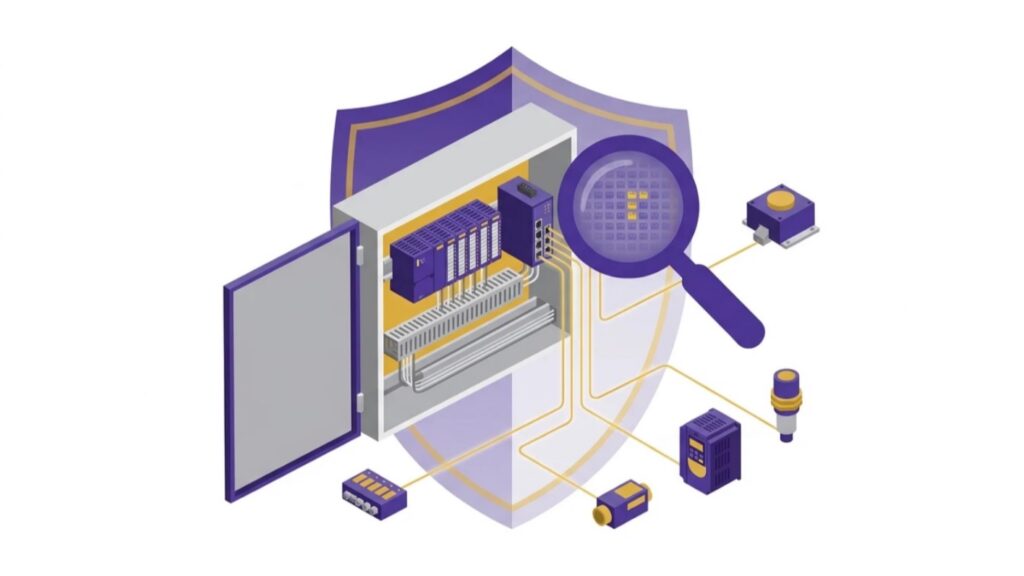
- Put the rest of your engineering tools on a patch schedule. Make a short list of every PLC, HMI, drive, and SCADA configuration package in use, with version numbers. Review vendor security notices and the CISA ICS advisory feed monthly instead of only when something breaks.
- Control where project files come from. Accept project files only from known senders and through a known channel, not as random email attachments or unlabeled USB drives. When an OEM sends a new program, confirm it with them by phone or a separate message before you open it.
- Separate the engineering workstation from everyday work. The laptop that goes online with PLCs shouldn’t also be used for email and web browsing. If a dedicated machine isn’t practical, a well-managed virtual machine for engineering tools is a reasonable middle ground.
- Keep known-good backups offline. Store current PLC and HMI programs somewhere a compromised laptop can’t reach or overwrite, with dates and a note on what changed. If you ever suspect tampering, you need a clean copy to compare against and restore.
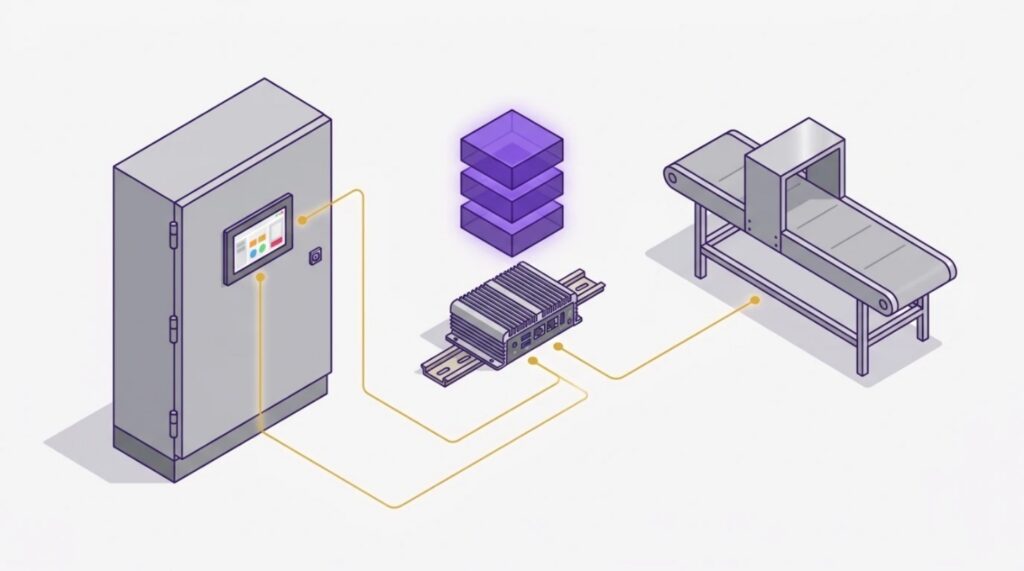
- Segment the control network. If the engineering workstation can only reach the controllers through a firewall with defined rules, a compromised machine causes much less damage.
The third advisory, for refrigeration users
The same CISA release included a critical flaw in Danfoss AK-SM 8xxA refrigeration system managers through version 5.4.0. CISA’s advisory ICSA-26-328-03 describes an unauthenticated stack-based buffer overflow in the web interface, scored 9.8 under CVSS v3.1. Danfoss says a fix will come in an upcoming 5.5.x release. Until then, the guidance is to keep these units off the Internet, reach them only through a secure VPN, run them in Strict Mode, and use strong, unique passwords. If you run cold storage, this fits with the steps in our recent post on refrigeration controller attacks.
How PCA can help
We program PLCs, HMIs, and SCADA across all major platforms. That includes AutomationDirect, where we are an SI Direct partner, plus Allen-Bradley, Siemens, Schneider, and Ignition. We can help you inventory and update your engineering software, set up a clean backup routine for your programs, and segment your control network with secure remote access so a single laptop can’t put the whole plant at risk. Contact us