Two weeks ago, the PLC got a little less physical. On November 12, Rockwell Automation introduced its LogixEdge controller, which, according to Food Engineering’s report, puts Logix control, edge computing and containerized applications together on one industrial PC-based platform. Rockwell frames it as an extension of the Logix family, not a replacement for ControlLogix or CompactLogix. Siemens is on a similar path: its SIMATIC S7-1500V is a fully virtual S7-1500 that runs as an app on Siemens Industrial Edge, works with existing TIA Portal projects, and can be scaled by adding or removing controller instances.
When two of the biggest names in PLCs both offer controllers that live in software, “software-defined automation” stops being a conference buzzword. It becomes a design decision plant engineers will face on their next project. Here is how we think about it.
What actually changes when the PLC becomes software
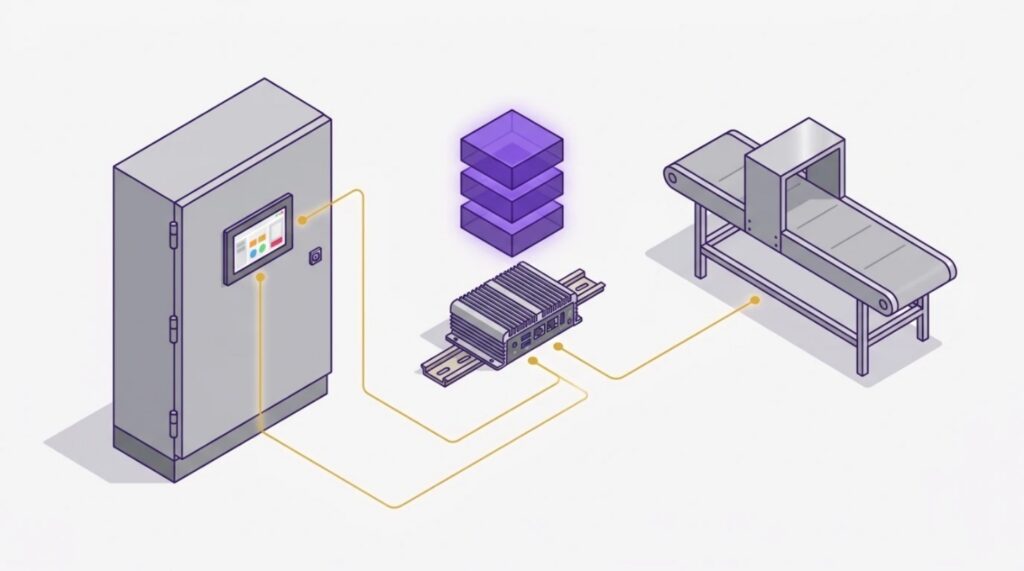
The control logic does not change much. Ladder, structured text and function blocks still run the line, and both vendors stress compatibility with the tools your team already knows. What changes is everything around the logic. The controller now shares hardware with other applications such as visualization, data collection and analytics. It gets updated through software deployment practices borrowed from IT. And the hardware it runs on is an industrial PC with an operating system, not a sealed chassis with firmware.
That is a real benefit for some plants. Fewer boxes in the panel, one place to run the historian connector and the HMI server next to the control code, and a cleaner path to plant-wide data. But it also moves the controller into a world of OS patches, container images, licenses and virtual networking that traditional PLC maintenance never had to deal with.
Where it fits, and where a classic PLC still wins
Neither announcement claims the hardware PLC is going away, and we agree. A packaging line with tight motion, a huller with dozens of interlocked conveyors, or a lift station that must run for years untouched are still great jobs for a dedicated controller from Allen-Bradley, Siemens, Schneider Modicon, Mitsubishi, Omron or AutomationDirect. Software-defined control makes the most sense where you already need edge computing: lines that feed MES or traceability systems, plants consolidating many small controllers, or sites where IT and OT teams already share infrastructure. The Food Engineering report notes that LogixEdge was built for architectures that need deterministic control alongside modern application deployment, so ask any vendor to show you that determinism on your own I/O and your own cycle times.
What to check before you buy in
- Define who owns the box. An industrial PC running control code is both an IT asset and a safety-relevant OT asset. Decide in writing who approves OS updates, container updates and reboots, and when. A Windows-style patch window that restarts the line at 2 a.m. during harvest is not acceptable.
- Test real-time behavior under load. Run the controller while the other applications on the same hardware are busy: historian backfills, HMI clients connecting, a log export. Measure scan time and I/O update jitter, not just the average. Simulation and emulation testing before startup is the cheapest place to find problems.
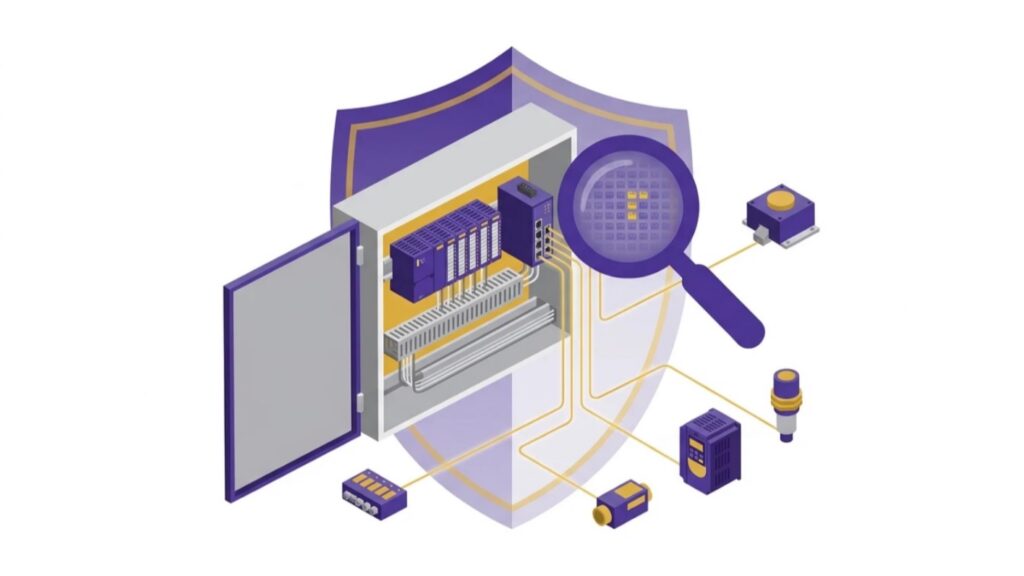
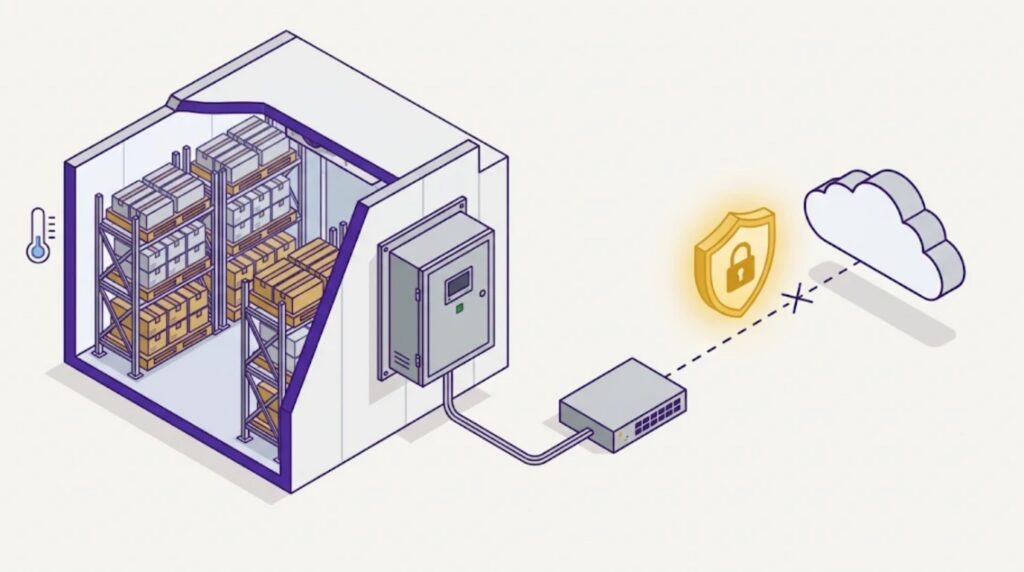
- Treat the edge platform as part of your attack surface. Remote management is a selling point of these platforms. Make sure the management server, the container registry and any remote access path sit behind your OT firewall with named accounts and multi-factor authentication, not on a flat plant network.
- Plan for hardware failure. If the PC dies, how fast can you restore the controller image, the licenses and the network settings onto a spare? Keep a tested spare and a documented restore procedure, the same way you keep a spare processor for a rack.
- Keep safety separate. Safety functions belong in a rated safety controller or safety relay, designed and validated to the applicable standard, whatever the standard control runs on.
- Check the support horizon. Ask how long the OS, the runtime and the hardware will be supported. Food and agricultural plants often run controls for 15 to 20 years, far longer than a typical PC lifecycle.
A hybrid future, not a rip-and-replace
For most Central Valley processors, the realistic path is hybrid. Dedicated PLCs keep running the machines, and a software-defined controller or edge platform handles plant-level coordination, data and visualization, connected through a well-segmented network. That approach lets you gain the benefits without betting the whole harvest on a new architecture. It also works whether your SCADA is Ignition, FactoryTalk, WinCC, AVEVA or VTScada, and whether your controllers are Rockwell, Siemens or something else entirely. The key is clear ownership, tested performance and a network that keeps the plant floor isolated from everything that does not need to reach it.
How PCA can help
We work across all major PLC and SCADA platforms, and we can help you decide where software-defined control fits, design the panels and segmented networks around it, program and test the system before startup, and support it in production. If you are weighing a controls upgrade or migration, Contact us.