On November 12, Forescout’s Vedere Labs published research showing how much faster off-the-shelf AI can find bugs in the networking code buried inside embedded devices. The team pointed an AI-assisted analysis setup at ten TCP/IP stacks, the small libraries that give a controller, gateway or sensor its Ethernet connection. According to Forescout’s announcement, the effort turned up 99 vulnerabilities. 66 of them were new, and 52% of those new findings were rated high or critical.
Speed is the headline. Forescout says work that took its researchers about nine months of manual code review a few years ago took roughly 90 hours this time: about 10 hours of automated AI analysis and about 80 hours of people checking the results. The AI also rediscovered 33 flaws the team had already found by hand in its earlier Project Memoria research, which suggests the method is finding real bugs, not noise.
Why a TCP/IP stack bug matters on the plant floor
Most people never think about the TCP/IP stack. It is the firmware layer that handles every packet a device receives before the application ever sees it. A bug there can often be triggered by anything that can reach the device over the network, with no login and no engineering software required. The worst cases crash the device or let an attacker run code on it.
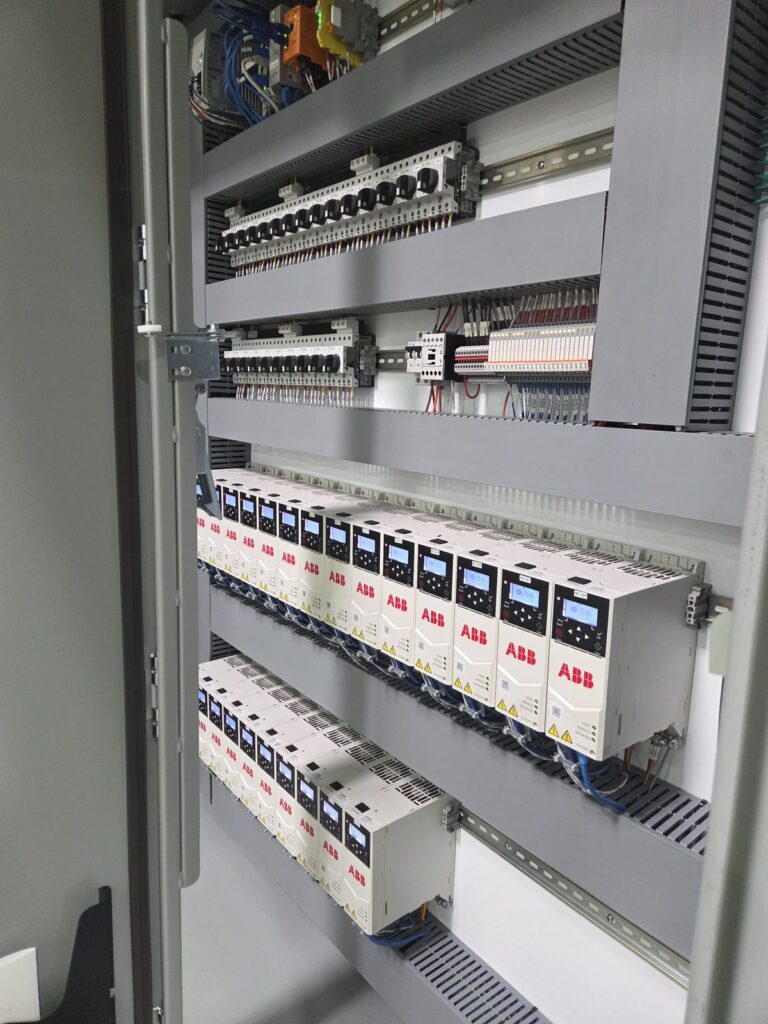
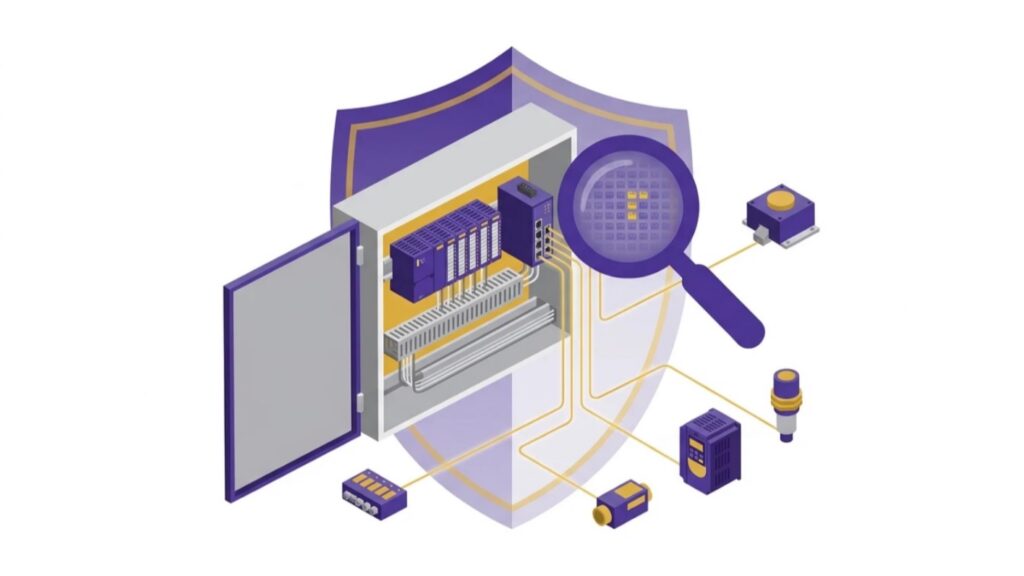
These stacks sit inside a lot of plant hardware: communication modules, protocol gateways, building automation controllers, remote I/O, smart sensors, drives and wireless access points. The full report covers both open-source stacks (Contiki, FNET, PicoTCP, lwIP and others) and several closed-source commercial stacks. Some of the closed-source ones aren’t named yet because disclosure is still in progress. That is the uncomfortable part: the device in your panel may use a stack you have never heard of, and the maker may not list it anywhere.
The bigger lesson goes beyond this one batch of bugs. If AI can cut vulnerability research from months to days, more flaws in older embedded firmware will be found and published. Some will come from researchers who report them responsibly and some from people who won’t. Forescout says it reported 54 of the 66 new findings to vendors and maintainers, and disclosure is ongoing. Expect a steady stream of advisories from every vendor in our industry, whether Rockwell, Siemens, Schneider, Mitsubishi, Omron or AutomationDirect, as this kind of tooling spreads. Plants with equipment that has run untouched for fifteen years should plan for that.
What to check on Monday
You can’t patch firmware you don’t know you have, and many embedded devices will never get a fix. The practical answer is to know what is on the network and limit who can talk to it. Forescout’s own advice points the same way: contain the risk first, then patch where you can.
- Build a real asset list. Walk every control panel and network cabinet and record each device with an IP address: PLC CPUs and comm cards, HMIs, gateways, drives, remote I/O, managed switches, scale indicators and building controls. Write down model and firmware revision, not just “PLC.”
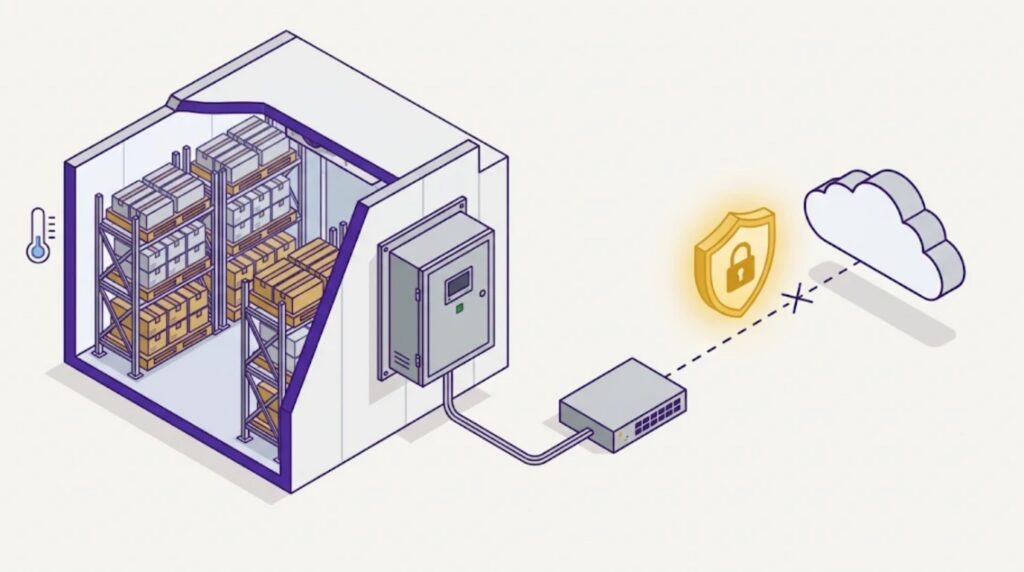
- Find out what is reachable from where. If the office network, the guest Wi-Fi or a vendor’s remote connection can reach your PLCs directly, any device-level bug is one hop away. Put control equipment in its own zones behind a firewall that allows only the traffic each zone needs.
- Turn off services you don’t use. Embedded web servers, FTP, Telnet, SNMP and IPv6 are often enabled by default on comm modules and gateways. Each one is more code an attacker can reach. Disable what the process doesn’t need.
- Isolate what can’t be patched. Older controllers and discontinued modules may never get a firmware update. Put them behind their own firewall rules or a small segmentation appliance so only the HMI or SCADA server that needs them can connect.
- Subscribe to advisories for your actual brands. Sign up for CISA’s ICS advisory list and each vendor’s security notification service. When a stack vulnerability is announced, you want to know within days whether your firmware is affected.
- Ask hard questions when you buy. For new panels and upgrades, prefer products with a published vulnerability disclosure policy, a stated firmware support life and, where available, a software bill of materials that lists the network stack.
Don’t panic, but don’t wait for a CVE either
None of this means your line is about to go down. A stack bug still has to be reached over the network, which is why segmentation and good firewall rules do so much of the work. Plants with flat networks, PLCs reachable from the office side and remote access nobody has reviewed in years carry the most risk. Fixing those weaknesses protects you against bugs that haven’t been found yet, which is the point when AI keeps speeding up the search.
A good network diagram and a current device inventory also pay off outside security. They speed up troubleshooting, make upgrades easier to plan and cut the time a technician spends guessing when something stops talking at 2 a.m.
How PCA can help
We work across Allen-Bradley, Siemens, Schneider, AutomationDirect, Ignition and the other major platforms. We can inventory your control network, design and install segmented, firewalled OT networks with secure remote access, and plan controls upgrades that retire equipment that can’t be patched. Contact us