The public comment window on one of the best-known guides to control system security closes this Monday, November 30. NIST published the initial public draft of Special Publication 800-82 Revision 4, Guide to Operational Technology (OT) Security, on September 21. According to NIST, the revision expands its introduction to cover food and agriculture, water and wastewater, and building automation, alongside freight rail, maritime vessels and industrial IoT connected to the cloud. Two days later, the FBI and CISA released a fact sheet titled Considerations for Critical Infrastructure Operators Working With Third-Party ICS Integrators. Read together, the two documents tell plant owners a lot about where OT security expectations are heading over the next few years.
What changed in the NIST draft
SP 800-82 has been the reference that auditors, insurers and corporate security teams reach for when they need to talk about PLCs, HMIs and SCADA without treating them like office laptops. According to NIST’s summary of the update, Revision 4 is now organized around the Cybersecurity Framework 2.0, with the old risk management material rebuilt around the framework’s Govern function. That means OT security is framed as a management responsibility, with owners, policies and accountability, not only a set of firewall rules.
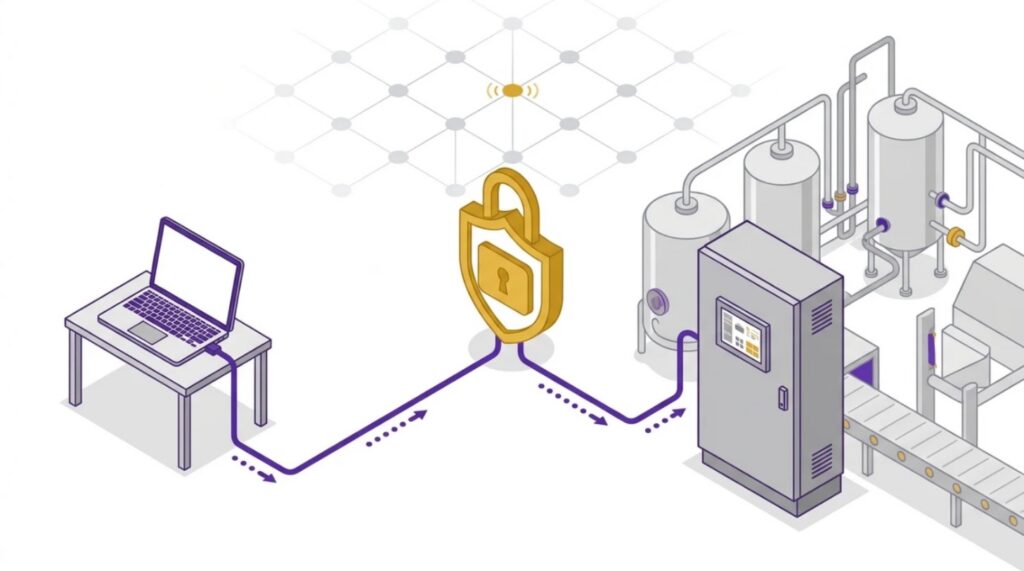
The draft also expands the practical guidance on two things most plants do poorly: knowing what assets they have, and watching their control networks for unusual traffic. Its architecture guidance now focuses on protecting system management functions, meaning the engineering workstations, programming software and remote connections that can change logic, and on applying zero trust principles to OT. In plant terms, zero trust simply means nothing on the network is trusted just because it is plugged in. Every connection to a controller should be expected, authenticated and limited to what it needs.
Why the integrator fact sheet matters to every plant
The FBI and CISA fact sheet is aimed squarely at the relationship between plants and the outside firms that program and support their systems, a group that includes us. The agencies describe an FBI analysis of a 2025 intrusion at a U.S. industrial automation company that provided integration, engineering and SCADA programming to utilities and transportation customers. The attackers searched the company’s files for customer and SCADA records and bundled roughly 800 files, including schematics and device details, into archives for apparent exfiltration.
The lesson is not that integrators are dangerous. It is that your drawings, PLC programs, IP address schemes and remote access paths live in more places than your plant. The fact sheet’s core advice is least privilege: give integrators, and everyone else, only the access needed to do the assigned job. That applies whether your line runs on Allen-Bradley ControlLogix with FactoryTalk, Siemens S7-1500 with TIA Portal and WinCC, Schneider Modicon, Mitsubishi, Omron, AutomationDirect, or a SCADA layer such as Ignition, AVEVA, iFIX or VTScada. The platforms differ; the access problem is the same.
What to check on Monday
You do not need to read the whole standard to act on this. Drawing on the NIST draft’s priorities and the FBI and CISA recommendations, here is a short list a maintenance or controls lead can work through in a week:
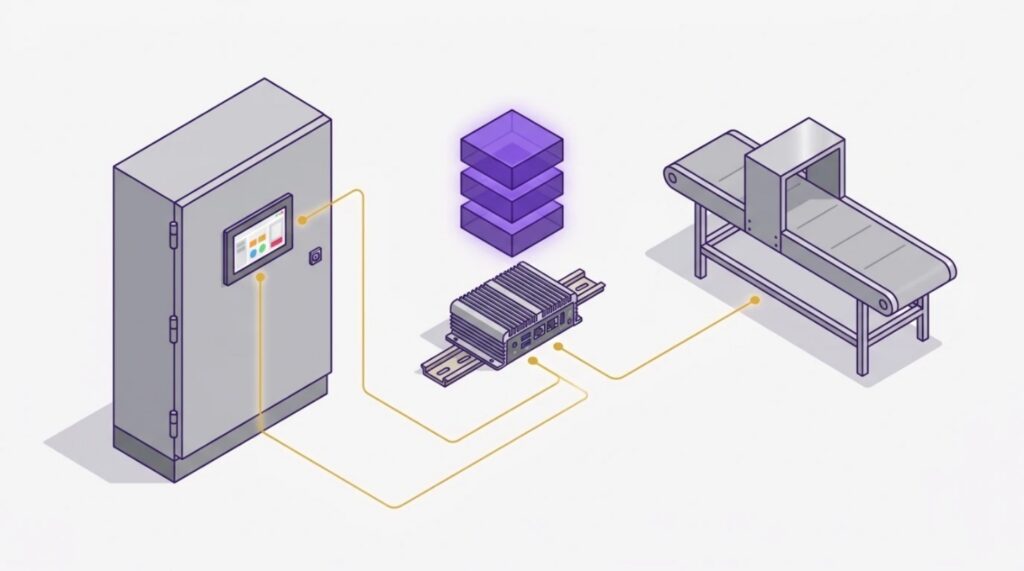
- Make remote access on-demand. The agencies recommend that outside support connect through a path you can monitor and that you have to switch on. If a vendor VPN, remote desktop tool or cellular modem is live around the clock, change that so someone at the plant enables it per session and it is logged.
- List who has access, by name. Ask every integrator and OEM for their list of authorized personnel. Remove shared logins and old accounts on HMIs, SCADA servers and engineering workstations, and change any remaining default passwords.
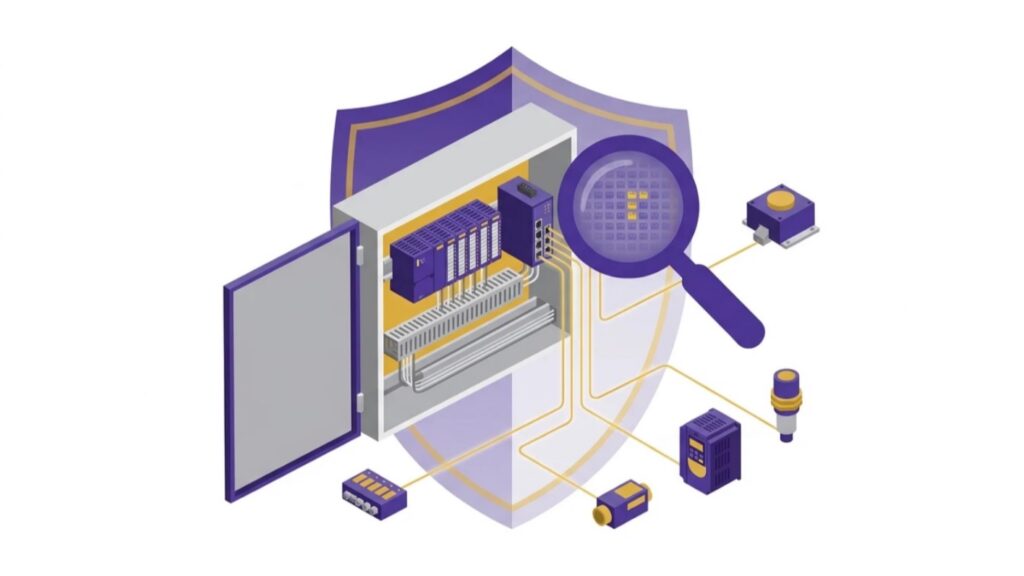
- Get a complete inventory. The fact sheet suggests asking integrators for an inventory of all hardware and software they supplied, how it connects to your network and how it is updated. Pair that with your own walk-down of panels, switches and PCs. You cannot protect what is not on the list.
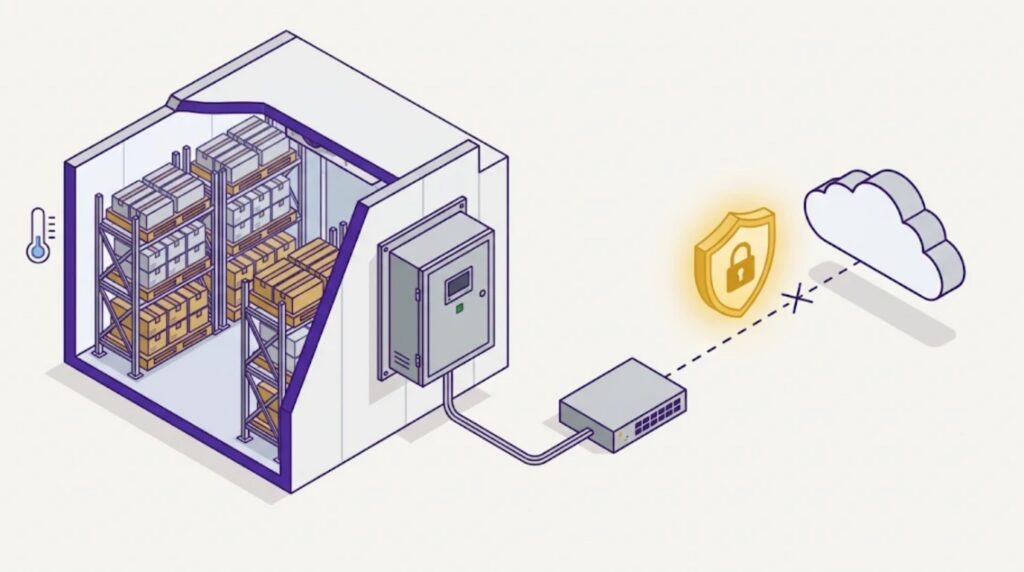
- Check what faces the internet. Confirm that no PLC, HMI or gateway is reachable directly from the public internet. The agencies specifically ask operators to find out where integrator-supplied devices are hosted and disconnect them from public exposure.
- Put security in the contract. On your next service agreement or project, spell out where your project files and design documents will be stored, how remote access works, how patches and changes are managed, and that unused ports and default credentials are closed out at startup.
- Prove you can run without help. Keep offline backups of PLC programs, HMI projects and the software needed to load them, and practice manual operation. Both documents treat recovery as part of security, not an afterthought.
Worth a comment before the deadline
If you run a food, beverage, nut or water plant, this is one of the few times your experience can shape the guidance your auditors will cite later. NIST’s draft page links a comment template, and comments are due November 30. Even a few notes on what is realistic for a small plant with a two-person maintenance team are useful. Practical feedback from the plant floor tends to be in short supply compared to input from large utilities and vendors.
Whether or not you comment, the direction is clear. Expect future audits, insurance questionnaires and customer supplier surveys to ask who can reach your controllers, how you know, and what happens if a third party is compromised. Plants that can answer those three questions with documents rather than guesses will be in good shape.
How PCA can help
We design control networks with segmentation and on-demand, logged remote access, document every panel, controller and network connection we deliver, and hand over complete, current backups of PLC and HMI projects across Rockwell, Siemens, Schneider, AutomationDirect, Ignition and other platforms. If you want a second set of eyes on who can reach your control system today, Contact us.