Most plants have plenty of data. The trouble is that it’s scattered: tags in several PLCs, values in a few HMIs, a historian on one line, spreadsheets in the office. Every new report or dashboard means another custom connection. A Unified Namespace (UNS) is an approach that’s gaining fast adoption because it fixes that problem at the root, and it’s quickly becoming the foundation for analytics and AI.
What a Unified Namespace is
A UNS is a single, organized place where the current state of your whole operation lives, arranged the way your business is arranged. A typical structure follows the ISA-95 model: enterprise / site / area / line / machine. Instead of every system connecting to every other system, each one publishes its data to the namespace and subscribes to the data it needs.
The building blocks
- MQTT: a lightweight publish/subscribe messaging protocol that’s efficient over plant networks and cellular links.
- Sparkplug B: a specification on top of MQTT that defines how industrial data is packaged, so devices and software understand each other.
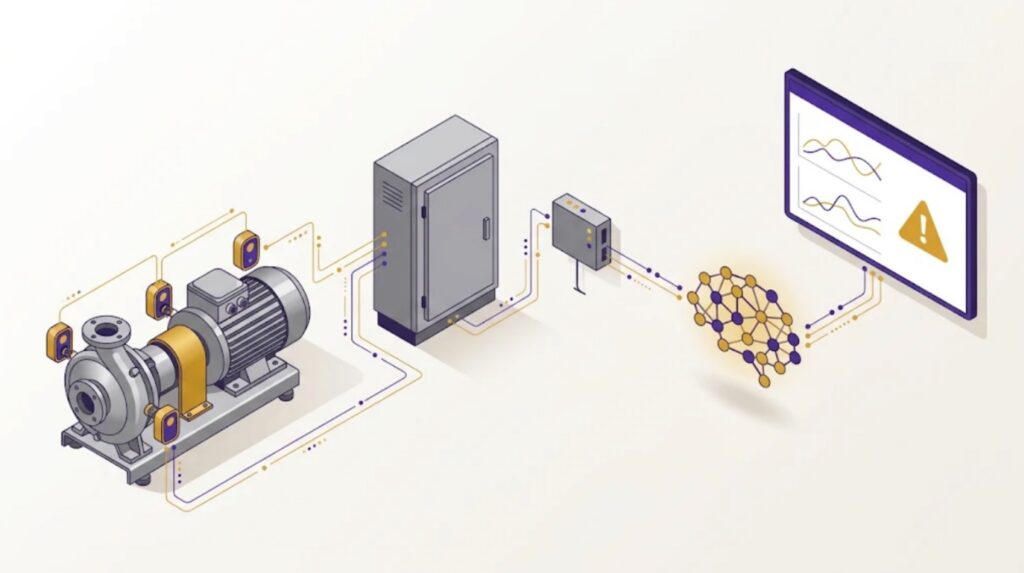
- Edge devices and PLCs that publish data as it changes, rather than waiting to be polled.
- SCADA and analytics software that subscribe to the namespace to visualize, store and act on the data.
Why it matters now
New systems plug in easily. Adding a dashboard, a quality system or an energy report no longer means building another point-to-point connection; it subscribes to data that’s already there.
Data has context. A value isn’t just “N7:12”. It’s the discharge pressure of pump 2 on line 3 at a particular site, with units and a timestamp.
It’s ready for AI. AI and analytics tools need clean, consistently named, real-time data. A UNS provides exactly that, so it’s often the step that turns “we’d like to try AI” into something practical.
You don’t have to rebuild everything
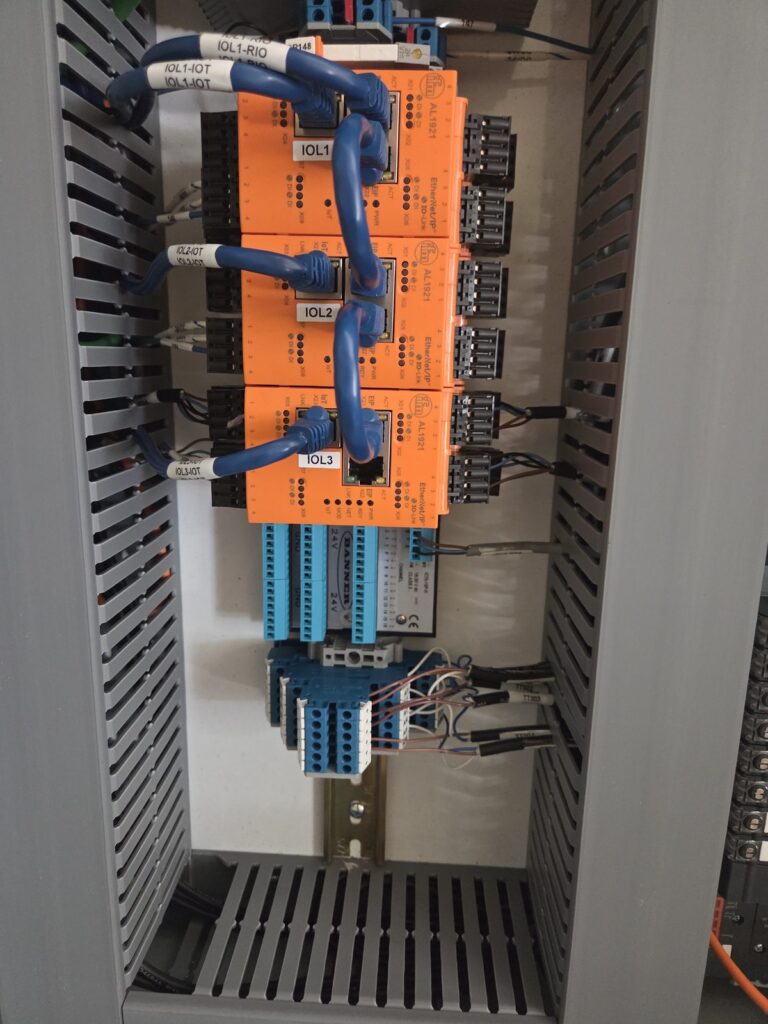
A UNS can be built gradually. Existing PLCs can be connected through the SCADA system or an edge gateway, and newer devices, including smart IO-Link sensors, can publish directly. Start with one line or one important process, agree on a naming structure, and grow from there.
Planning tips
- Agree on the naming hierarchy first. It’s the hardest part to change later.
- Decide what belongs in the namespace (current state) and what belongs in a historian (long-term records).
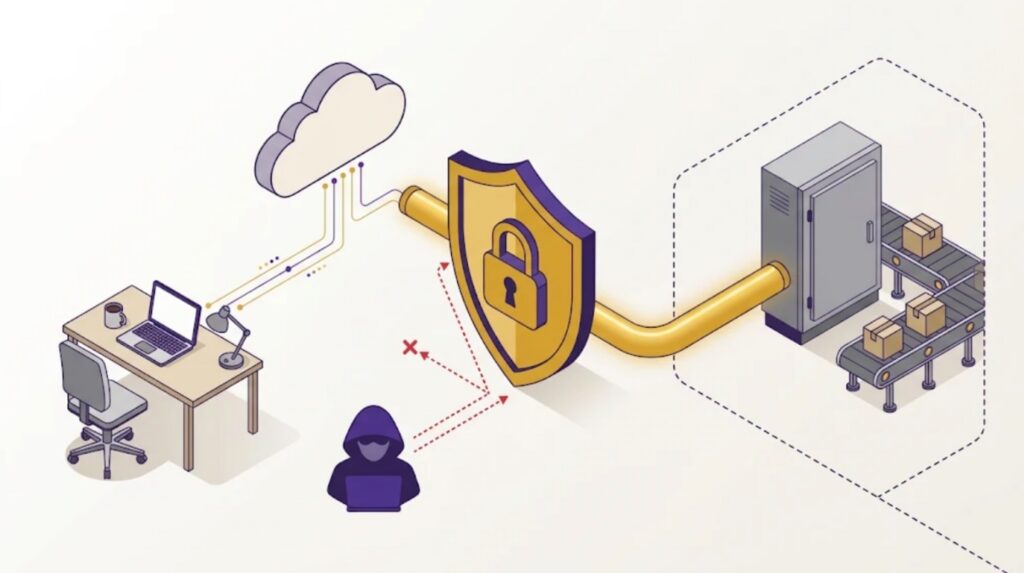
- Secure the broker: authentication, encrypted connections and network segmentation still apply.
Pacific Coast Automation works with SCADA systems and modern plant networks to connect equipment and organize plant data. If you’re thinking about a Unified Namespace, or just want your data in one place, reach out and we’ll help you plan the first step.