AI on the Plant Floor: What It Can Really Do for Food Processors Today
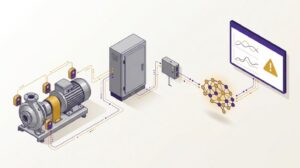
Where AI is already paying off in food and beverage plants, why it depends on good controls and clean data, and a

Remote access has become a normal part of running a modern plant. Integrators, OEMs and your own staff can diagnose a problem from miles away, often in minutes. But every remote connection is also a door into your control system, and attacks on manufacturers and food processors have become a real, ongoing threat. The good news: a few sound practices close most of the risk.
Use a secure VPN or industrial remote-access gateway. Connections should go through an encrypted, authenticated path, never through open ports to control equipment.
Separate the control network. Put PLCs, drives and HMIs on their own network segment behind a firewall, and only allow the specific traffic that’s needed. This idea of zones and conduits is at the heart of the ISA/IEC 62443 standards for industrial cybersecurity.
Give every person their own login, with multi-factor authentication. Individual accounts create an audit trail, and multi-factor authentication stops most stolen-password attacks.
Make access on-demand. Many plants keep remote access turned off until it’s needed, enabled by a local switch or approval, and turned off again afterward.
Keep backups of PLC and HMI programs. Store current, tested copies offline. If something goes wrong, from an attack or a bad change, a good backup is the fastest way back into production.
AI-based monitoring tools are increasingly used to watch industrial network traffic and flag unusual behavior, such as a device suddenly talking to a new address or a PLC receiving program changes at 3 a.m. They’re a useful extra layer, but they work best on a network that’s already segmented and documented. Attackers are also using AI to write more convincing phishing emails, which is one more reason to keep control systems separated from everyday email and web browsing.
You can’t protect what you don’t know about. A simple list of every device on the control network, and every way someone can reach it remotely, is the most valuable first step. It usually turns up at least one surprise.
Pacific Coast Automation provides secure remote support for the systems we build and can help review and improve the remote access and network layout of your control system. Contact us to talk about your plant.
Where AI is already paying off in food and beverage plants, why it depends on good controls and clean data, and a
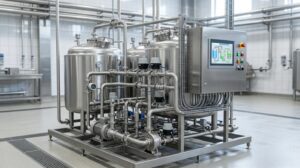
Why automated CIP controls deliver more consistent cleaning, audit-ready records, and lower water and chemical use in food and beverage plants.
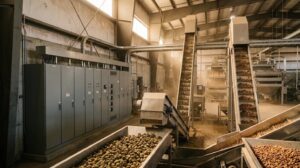
How sequenced controls, VFDs and plant-wide SCADA help Central Valley almond and walnut hulling and shelling facilities avoid downtime during harvest.