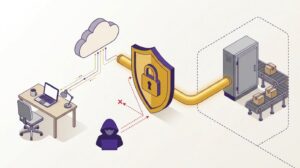
Secure Remote Access for Plant Controls: Convenience Without the Risk
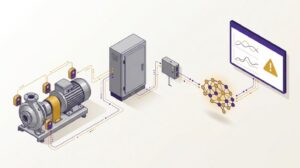
Remote support saves hours of downtime, but every connection is a door into your control system. Common weak spots and the practices

Harvest is unforgiving. When trucks are lined up outside a hulling and shelling facility, every minute of downtime ripples through the whole season. That’s why more almond and walnut processors in the Central Valley are taking a hard look at the controls behind their lines, and finding that modern automation pays off quickly.
Many hulling and shelling plants grew one machine at a time. The result is often a patchwork: hand-wired start/stop stations, motors started across the line, and operators who have to walk the floor to know what’s running. Common pain points include:
Sequenced start and stop. A PLC starts equipment downstream-first and stops it upstream-first, automatically. Interlocks shut down the right machines when a conveyor or elevator stops, which helps prevent plug-ups and spills.
Variable frequency drives (VFDs). Drives give soft starts that are easier on belts, gearboxes and the electrical service. They let you match motor speed to product flow, which can noticeably reduce energy use on fans and conveyors.
One screen for the whole plant. An HMI or SCADA system shows what’s running, motor loads, alarms and the first-out fault that caused a stop. Operators spend less time walking and more time running.
Smarter motor control. Networked starters and drives report current, trips and run hours, so maintenance can spot a failing motor before it fails during harvest.
The best time to modernize is right after the season ends. That gives time to design, build and test new panels before installation, with a cushion for startup and fine-tuning before the next harvest. Projects can also be phased: start with the motor control center and the most troublesome section of the line, then expand.
Pacific Coast Automation has worked with several hulling and shelling operations to replace outdated controls with modern automation, from motor control and VFDs to PLC programming and plant-wide SCADA. We’re based in Modesto, so support during the season is close by, and secure remote access lets us help quickly when it matters most.
Thinking about your plant’s next off-season project? Reach out and let’s talk about what would make the biggest difference.
Remote support saves hours of downtime, but every connection is a door into your control system. Common weak spots and the practices
Where AI is already paying off in food and beverage plants, why it depends on good controls and clean data, and a
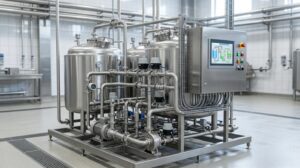
Why automated CIP controls deliver more consistent cleaning, audit-ready records, and lower water and chemical use in food and beverage plants.