Secure Remote Access for Plant Controls: Convenience Without the Risk
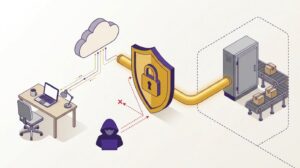
Remote support saves hours of downtime, but every connection is a door into your control system. Common weak spots and the practices

Walk through almost any processing plant in the Central Valley and you’ll still find one: a gray enclosure full of ice-cube relays, timers and a wiring diagram that’s been marked up by three generations of maintenance techs. Relay logic panels are tough, and many of them have run for decades. But there comes a point where keeping one alive costs more than replacing it.
Replacing relay logic with a programmable logic controller (PLC) moves the “thinking” of your machine from wires into software. The field devices (motors, valves, switches and sensors) usually stay the same. What changes is how reliably and flexibly they’re controlled.
The biggest worry we hear is downtime. A well-planned conversion keeps it short:
For most plants, the payback comes from shorter breakdowns, fewer parts emergencies and the ability to improve the process instead of working around it. Even a single avoided multi-hour outage during harvest or peak production can cover a large share of the project.
Pacific Coast Automation designs, builds and programs control panels in our Modesto shop, and we’ve been helping Central Valley processors modernize their controls since 2008. If you have a relay panel you’re nervous about, tell us about it. We’re happy to take a look and talk through your options.
Remote support saves hours of downtime, but every connection is a door into your control system. Common weak spots and the practices
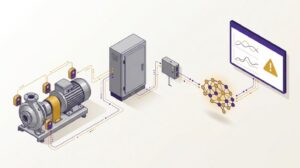
Where AI is already paying off in food and beverage plants, why it depends on good controls and clean data, and a
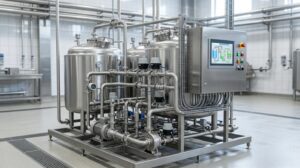
Why automated CIP controls deliver more consistent cleaning, audit-ready records, and lower water and chemical use in food and beverage plants.